Energy & Utilization
Track idle load, active-cycle demand, central-station uptime, and bed utilization. A lower-energy monitor that is duplicated or underused may not reduce total footprint.
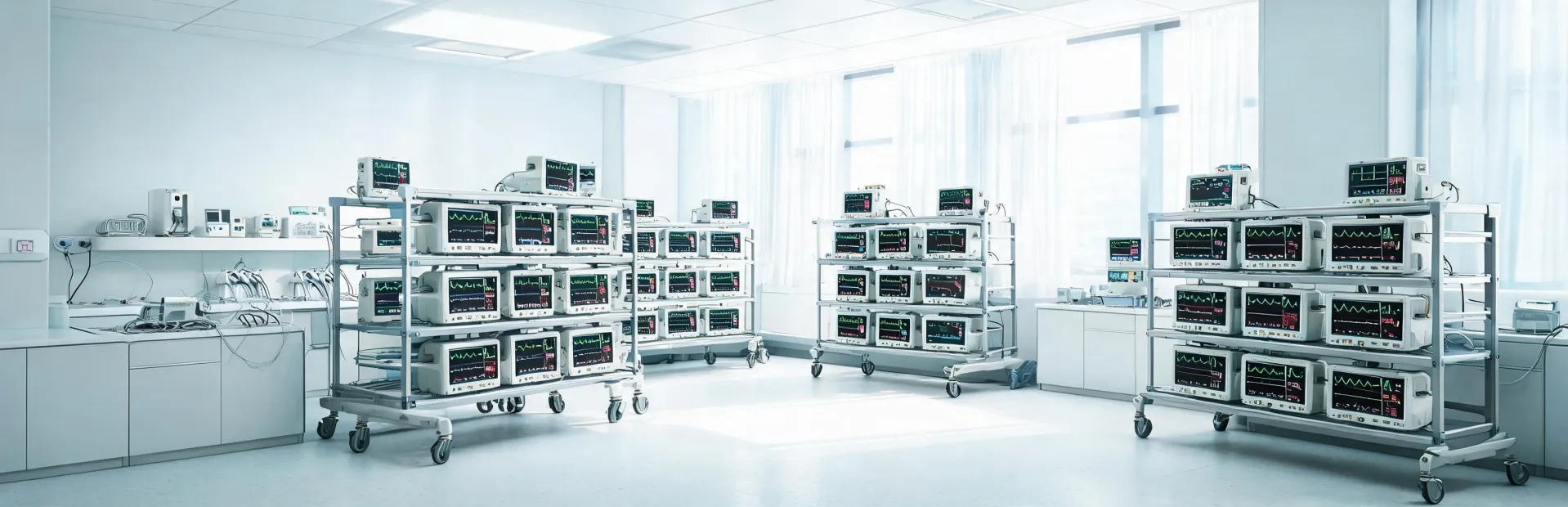
Responsible monitoring procurement begins with a measurable baseline: device energy, accessory waste, reprocessing validation inputs for reusable cables and cuffs, single-use device (SUD) packaging mass, repairability, utilization, transport, cybersecurity decommissioning, and documented end-of-life routes aligned to ISO 17664 processing information where reusable accessories apply.
Track idle load, active-cycle demand, central-station uptime, and bed utilization. A lower-energy monitor that is duplicated or underused may not reduce total footprint.
Compare SpO2 probes, ECG leads, and NIBP cuffs for infection-control needs, validated cycle limits, labor, packaging, and disposal against your case mix.
Define data removal, ownership, parts harvesting, regulated e-waste handling, recycling evidence, and final asset reconciliation for retired consoles.
Single-use case: sealed SpO2 sensors or disposable leads can simplify isolation rooms and remove reprocessing variability, while creating recurring material and disposal demand.
Reusable case: validated reusable cables and cuffs can lower per-use material demand, while requiring cleaning labor, inspection, tracking, and cycle-capacity evidence per IFU.
Reproducible review: select one high-volume ward; observe 30 consecutive discharges; record unused opened sensors, cleaning minutes, damage, and disposal mass. Compare median and range, not a single shift.
Bedside case: continuous waveforms, nurse-call integration, and SpO2 accuracy under motion control support high-acuity decisions, but raise capital, power, and cable-management load.
Wearable RPM case: patch or wearable biosensors can extend surveillance after discharge and reduce bed-days, while demanding cellular reliability, escalation staffing, and different accuracy claims.
Reproducible review: stratify by acuity; predefine false-alarm rate, escalation time, battery runtime, EMR message fidelity, and 30-day follow-up completeness before comparison.
These are planning targets, not Molnlycke performance claims. Establish a verified baseline before adopting them.




Applicability and status depend on device, configuration, jurisdiction, and current documentation. Request the relevant records before use in a tender.
We will route your request by monitoring family, market, and procurement stage.
Request Documentation